Rachel Kramer Bussel doesn’t write about romance the way most people expect. Her books don’t open with candlelit dinners or whispered promises. Instead, they start with silk ropes coiled around wrists, leather straps pulled taut, and the quiet tension between control and surrender. She’s spent over two decades studying and writing about BDSM-not as a fringe curiosity, but as a deeply human practice rooted in trust, communication, and consent. In a world that still treats bondage as taboo or pornographic, Rachel’s work cuts through the noise. She’s interviewed hundreds of people who tie others up-not for shock value, but because they find meaning in it. And yes, some of those ways are unusual. Not because they’re extreme, but because they’re thoughtful.
There’s a quiet corner of London where people seek more than just physical connection. For some, it’s about feeling safe enough to let go. That’s where the idea of a vip london escort can sometimes overlap with deeper emotional needs-though the two aren’t the same. One is transactional. The other is relational. Rachel’s interviews often reveal how people use bondage not to dominate, but to create space for vulnerability. A rope isn’t just a restraint; it’s a signal. A promise. A way to say, ‘I’m here with you, and you’re safe.’
It’s Not About the Knots-It’s About the Intent
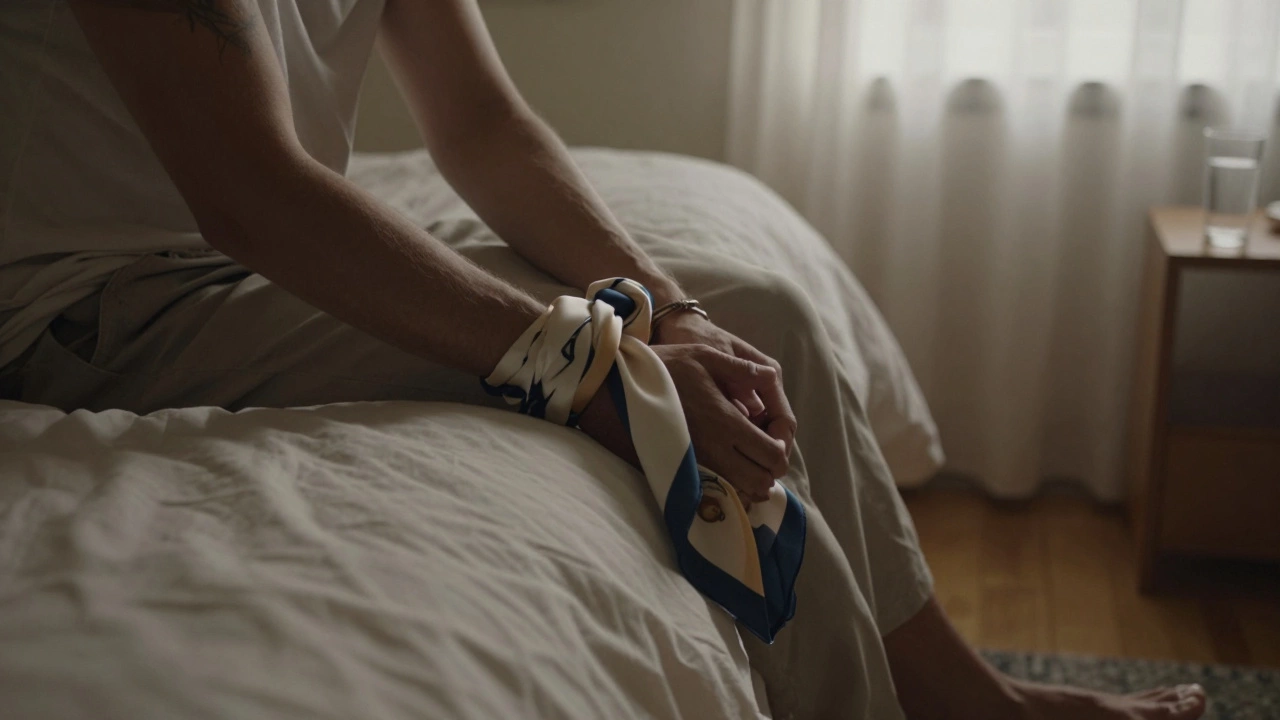
When people think of tying someone up, they often picture chains, blindfolds, and dramatic lighting. Rachel’s research shows something else: most people who practice bondage don’t need any of that. The most effective ties are simple. A scarf around the wrists. A belt looped around a bedpost. A towel tied loosely to a doorknob. What matters isn’t the complexity-it’s the intention.
She recalls one interview with a woman who tied her partner’s hands behind their back using only a silk scarf from a vacation in Bali. ‘It wasn’t about power,’ the woman told her. ‘It was about remembering how we felt when we first kissed. Soft. Slow. Unhurried.’ That’s the kind of story Rachel collects-not the sensational, but the subtle. The everyday acts of intimacy that get lost in the noise.
Why ‘Unusual’ Doesn’t Mean ‘Dangerous’
The word ‘unusual’ in your title makes people nervous. But Rachel points out that most ‘unusual’ methods are just unfamiliar to outsiders. Take the ‘figure-eight wrap’-a technique borrowed from rock climbing. It’s not meant to hurt. It’s designed to distribute pressure evenly, so skin doesn’t bruise and circulation stays safe. Or the ‘spider web’ tie, where ropes cross over the chest like a net, not to restrict, but to create a sensation of being held from all sides.
‘People assume that if it looks strange, it must be risky,’ Rachel says. ‘But the real risk is ignorance. Not the rope.’ She’s seen people use everything from bicycle inner tubes to knitted scarves. What they all have in common? They checked for numbness. They used safewords. They talked before, during, and after.
Consent Isn’t a One-Time Thing
One of Rachel’s most repeated points: consent isn’t a checkbox. It’s a conversation that keeps going. She tells the story of a man who tied his partner up every Friday night. For months, it was the same: hands above the head, feet bare, no words. Then one week, his partner whispered, ‘I don’t want my wrists tied anymore.’ He stopped. Didn’t argue. Didn’t ask why. Just said, ‘Okay.’ Then they spent the rest of the night talking about what they *did* want.
That’s not failure. That’s success. Rachel says the most successful bondage dynamics aren’t the ones with the most elaborate setups. They’re the ones where people feel safe enough to change their minds.
How People Learn-Without YouTube Tutorials
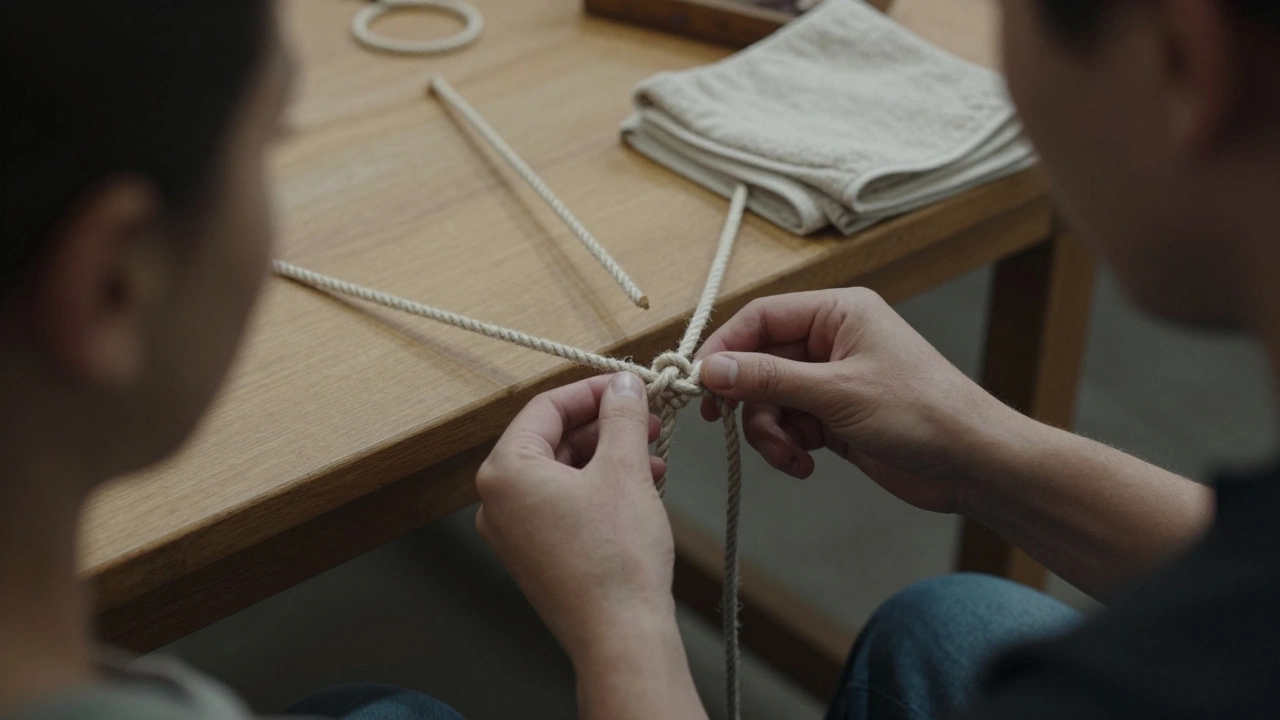
You might think people learn bondage from videos or Reddit threads. Rachel says most learn the hard way: through books, workshops, and honest conversations. She mentions a group in Manchester that meets monthly to practice knot-tying with cotton rope, under the guidance of a former firefighter who knows how to handle tension and pressure safely. No cameras. No audience. Just hands, rope, and questions.
‘There’s no YouTube tutorial for reading a person’s breathing,’ she says. ‘You learn that by being quiet, by watching, by listening.’
The Role of Touch-Beyond the Rope
One of the most surprising things Rachel found? Many people who tie others up rarely touch them afterward. Not in a sexual way. Not even in a comforting way. They just sit. Or they hand them a glass of water. Or they turn on a lamp. The rope comes off, and silence fills the room. That silence, she says, is often the most powerful part.
‘It’s not about what you do with your hands,’ she explains. ‘It’s about what you don’t do. You don’t rush. You don’t explain. You don’t ask if they’re okay. You just let them come back to themselves.’

Why This Matters Outside the Bedroom
Rachel’s work isn’t just about sex. It’s about how we connect. She’s worked with therapists who use bondage techniques to help trauma survivors reclaim control over their bodies. She’s spoken to veterans who say tying their partner’s hands gently helped them feel grounded after years of hypervigilance.
‘The same skills that make good bondage-awareness, patience, communication-are the same ones that make good relationships,’ she says. ‘It’s not about the rope. It’s about showing up.’
She once interviewed a woman who tied her husband up every morning before work. ‘He says it helps him start the day calm,’ she told Rachel. ‘I say it helps me remember he’s not just my husband. He’s a person who needs to be held.’
What’s Next for the Community
Rachel sees a shift happening. More people are talking about bondage as a form of emotional care, not just erotic play. Workshops are popping up in community centers. Libraries are adding books on safe practices. Even some therapists are starting to recognize its value.
She’s working on a new project now: a guide for couples who want to try bondage but don’t know where to start. No jargon. No gear lists. Just questions to ask each other. ‘What do you want to feel?’ ‘What scares you?’ ‘What makes you feel safe?’
‘We don’t need more tutorials on how to tie a monkey fist,’ she says. ‘We need more people who know how to ask, ‘Are you still here?’’
And somewhere in London, an escort girl uk might be sitting across from a client who doesn’t want sex-he just wants to be held. Not because he’s lonely. But because he’s tired of being strong. And sometimes, that’s the most unusual thing of all.